
Sena Kim
AstraMind

The Early-Warning Interface for Mental Health
AstraMind AR
Overview
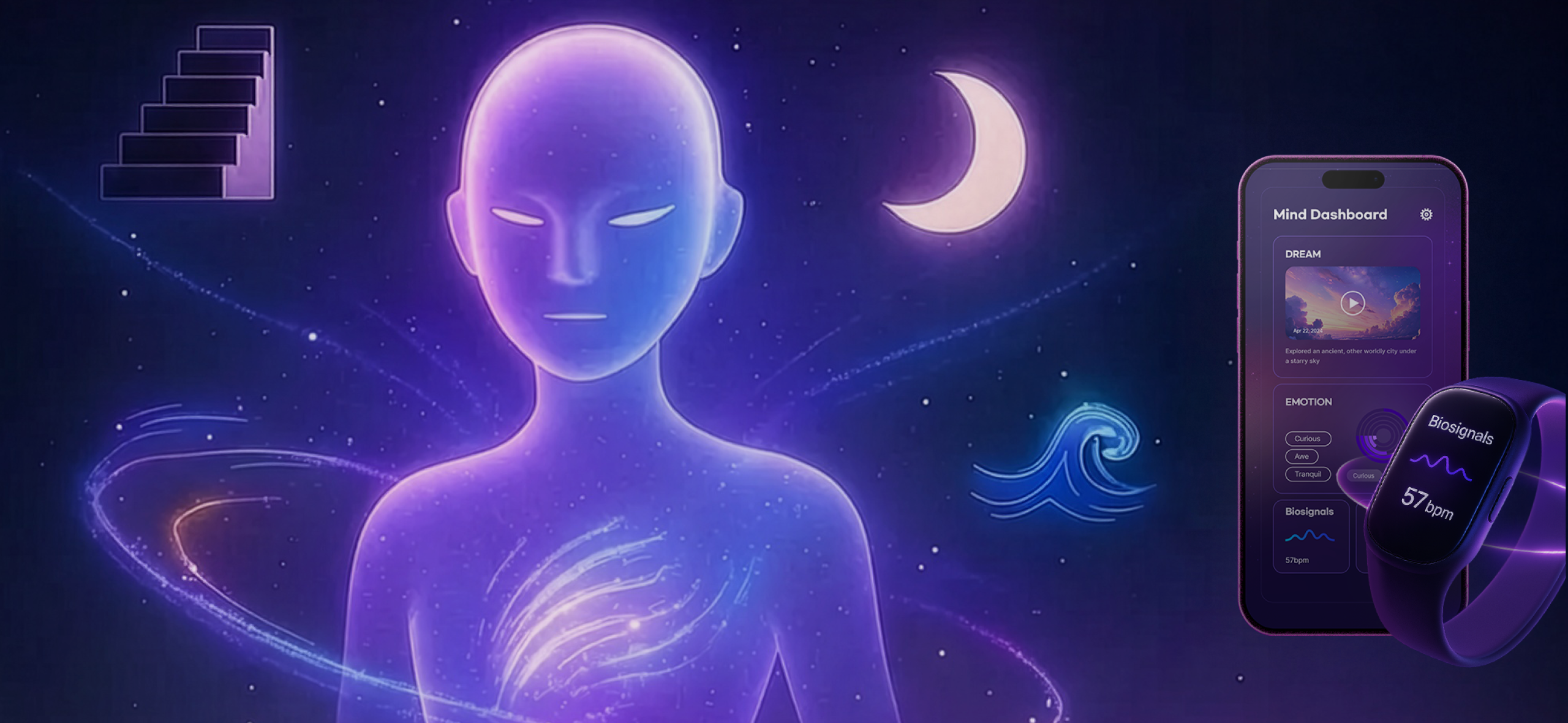
AstraMind is a comprehensive mental health platform designed to make the invisible visible. By correlating subjective dream narratives with objective bio-signals (HRV) collected during sleep, it visualizes the user's subconscious state as an immersive 'Inner Universe.' This system serves as an early-warning mechanism, detecting subtle signs of burnout and anxiety that are often overlooked, and providing a data-driven bridge to professional therapy for timely intervention
OverView
Background
The Missed "Weak Signals"
Burnout and anxiety do not strike without warning; they accumulate silently. However, most people fail to recognize these 'weak signals'—such as recurring nightmares or subtle heart rate irregularities—until they escalate into a crisis. The gap between the onset of stress and its realization is the blind spot of modern mental healthcare.
Subjectivity vs Objectivity
Current solutions are fragmented. Mental counseling relies heavily on subjective memory, which fades quickly, while wearable devices track objective data but lack emotional context. There was no tool to connect the 'Feelings' of the mind with the 'Evidence' of the body.
I hypothesized that 'Dreams' are the mirror of the subconscious,
and 'Bio-signals (HRV)' are the honest metrics of the body. By correlating these two, could we build a dashboard that visualizes the invisible state of mind before it's too late?
Research → The Pivot
Initial Hypothesis
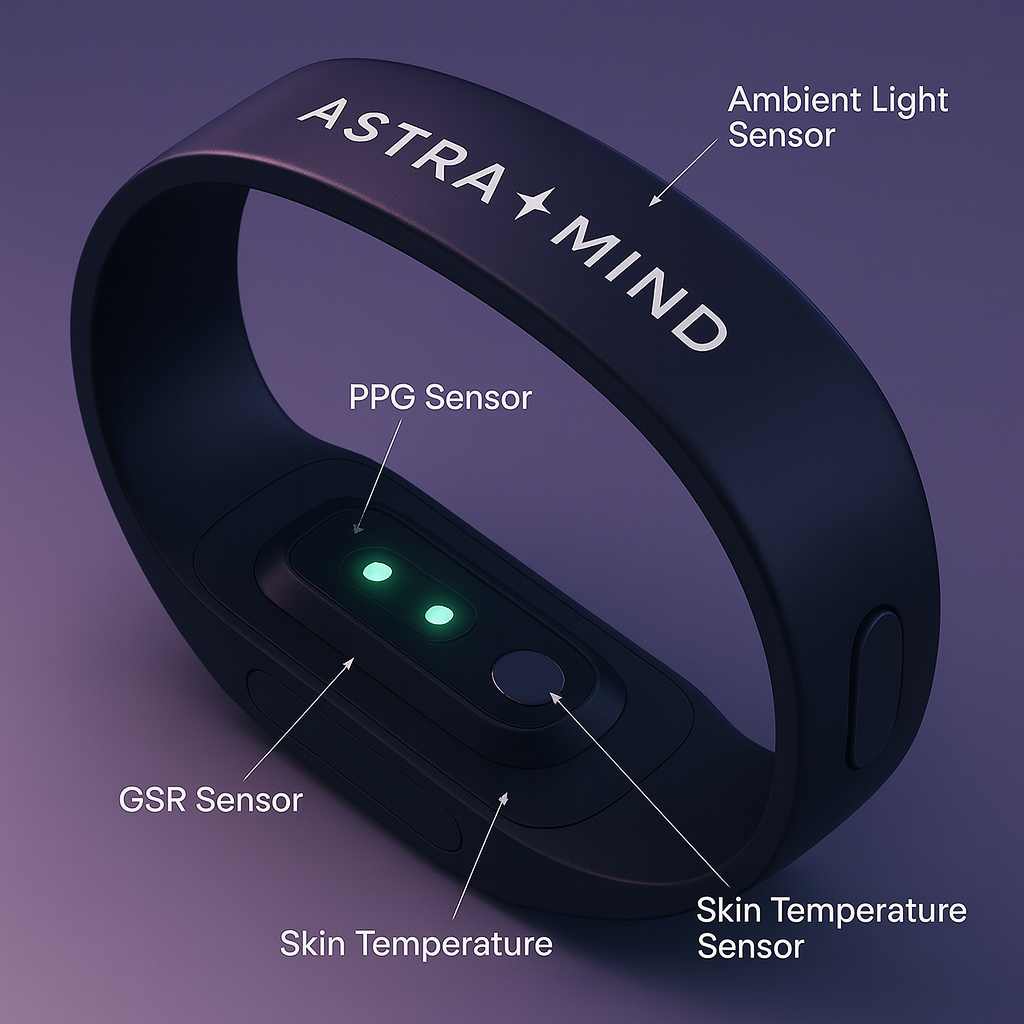
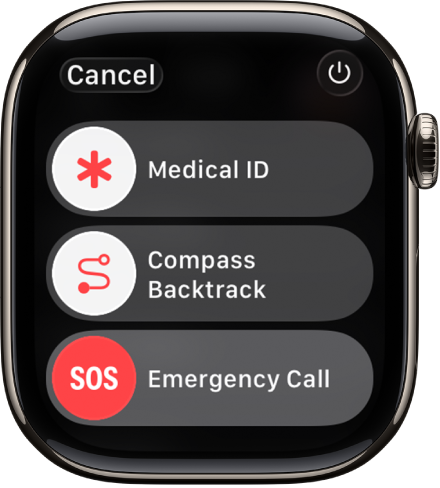
My initial concept was a wearable device with a physical SOS button designed to detect cardiac arrest during sleep. I focused on the 'Golden Time' for emergency response, believing a direct alert system would save lives.
→
Validation Failure
Testing and advisory results revealed serious flaws
frequent accidental presses during sleep, and the realization that in true cardiac arrest, users lose consciousness too quickly to press anything.
→
Shifting to ‘Pre-Detection’
I realized we couldn't rely on user action. The focus shifted to passive 'Pre-detection'—monitoring high/low heart rates and atrial fibrillation to catch signs before the emergency strikes
→
Market Benchmarking
(The "Apple Watch" Realization)
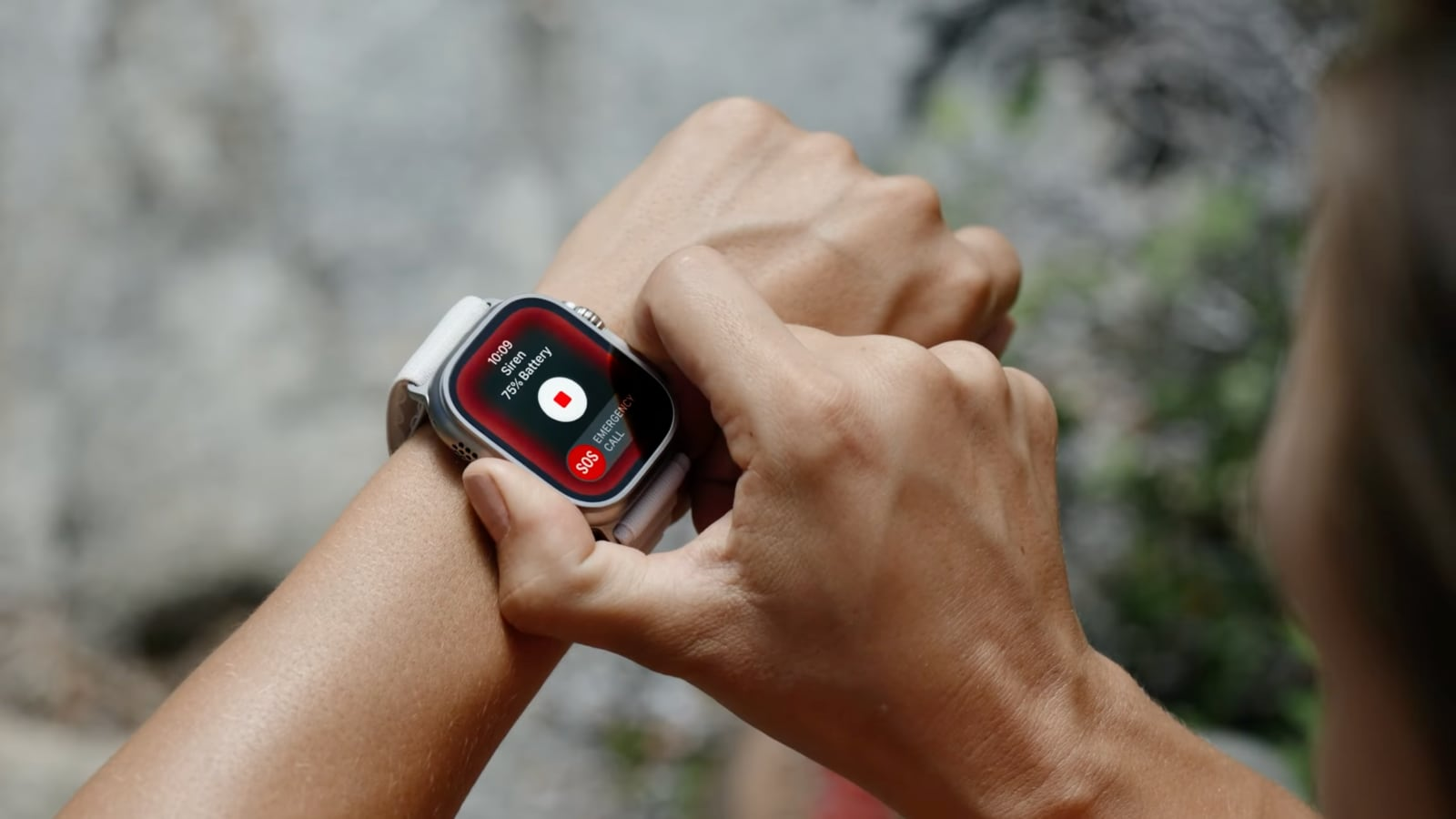
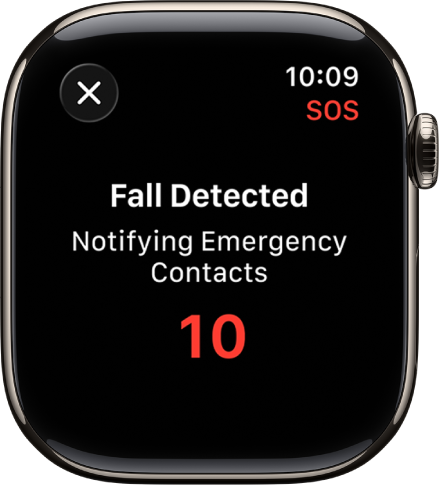
I analyzed existing market solutions like the Apple Watch Ultra. They already mastered physical anomaly detection (Afib, Fall Detection). Competing in purely 'physical medical diagnosis' required certified medical-grade hardware, which was beyond the scope of this project.
→
The Final Pivot
(New Opportunity)
Strategic Pivot: From Physical to Mental Safety
Instead of competing with medical devices, I pivoted to an unexplored niche. I redefined heart rate data not as a signal for cardiac arrest, but as a biomarker for emotional stress. By combining this with dream analysis, AstraMind became a unique solution for mental health prevention.
The Shift in Perspective
Redefining the Heart Rate
I shifted the role of heart rate data from a 'Physical Emergency Alarm' (cardiac arrest) to a 'Long-term Emotional Biomarker' (chronic stress). Instead of waiting for a crisis, I decided to use this data to detect the silent accumulation of mental str
Convergence for Prevention
I integrated 'Physiological Data' (HRV, Sleep stages) with 'User-Recorded Psychological Data' (Dreams, Mood).
By adding the user's active input to objective measurements, I transitioned the system into a tool for sophisticated, high-level mental health management, enabling a more detailed analysis of stress that sensors alone could never achieve.
Define
How Might We
Translation
How might we translate abstract, unconscious dream narratives into objective data that users can track and understand?
Proactive Action
How might we empower users to recognize and manage their mental state proactively before it escalates into a clinical crisis?
Safe Connection
How might we create a safe emotional support system that connects isolated feelings without the risks of unmoderated communities?
Core Value
Strategy 1 : The Convergence of Data
- To over c ome the limitations of fragmented health data, I created a convergence model. By cross-referencing 'Subjective' dream narratives with 'Objective' bio-signals, AstraMind provides a multi-dimensional view of mental health, capturing nuances that single-source tracking would miss.
Strategy 2 : Visualizing the Invisible
- Mental data is abstract. To make it tangible, I designed an 'Inner Persona' system. By visualizing complex emotional states through the changing colors of an 'Emotional Orb' and the condition of a 'Projected Avatar', users can intuitively mirror their inner self. Additionally, an 'Emotional AI Agent' provides personalized guidance, helping users reflect on and manage their feelings without deciphering raw data



Strategy 3 : Bridge to Therapy
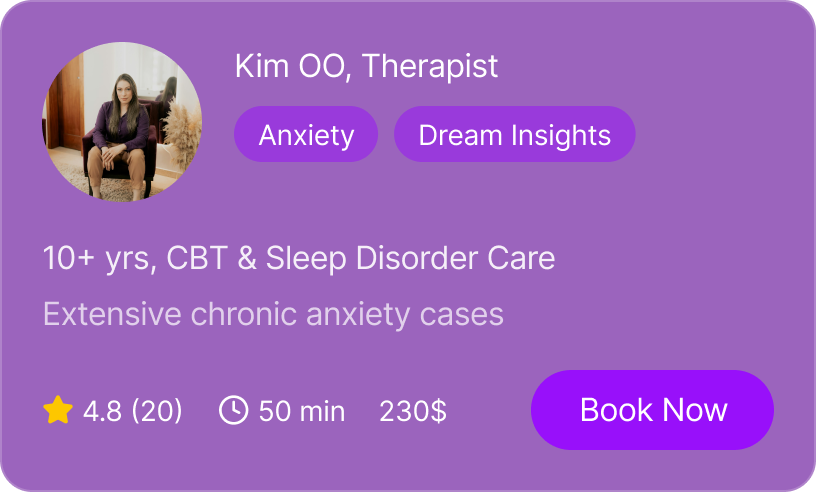
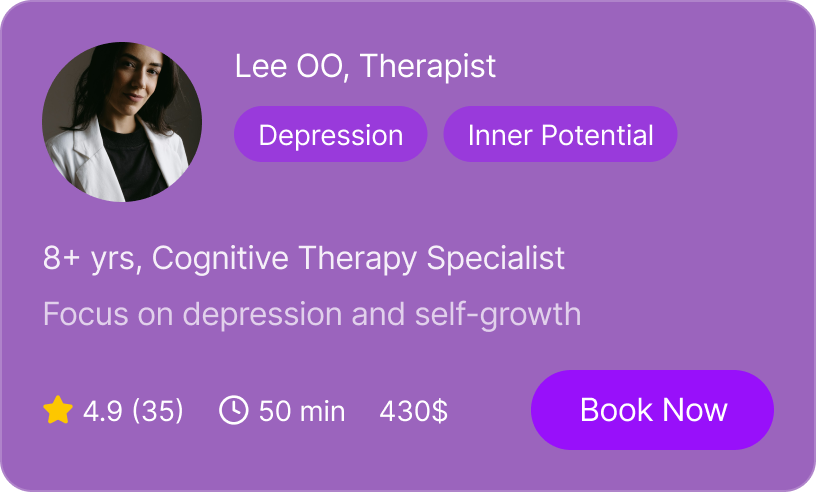
- Awareness is the first step, but the path to healing varies by severity. I designed an 'Adaptive Care System'. For mild symptoms, it connects users with similar dream patterns in the 'InnerVerse' for mutual empathy and healing. However, for severe cases where peer interaction might be harmful, the system acts as a safety net, bypassing the community and guiding users directly to 'Professional Therapists' with summarized data insights."
UX Deep Dive – Optimizing Dream Capture
The Context & Challenge
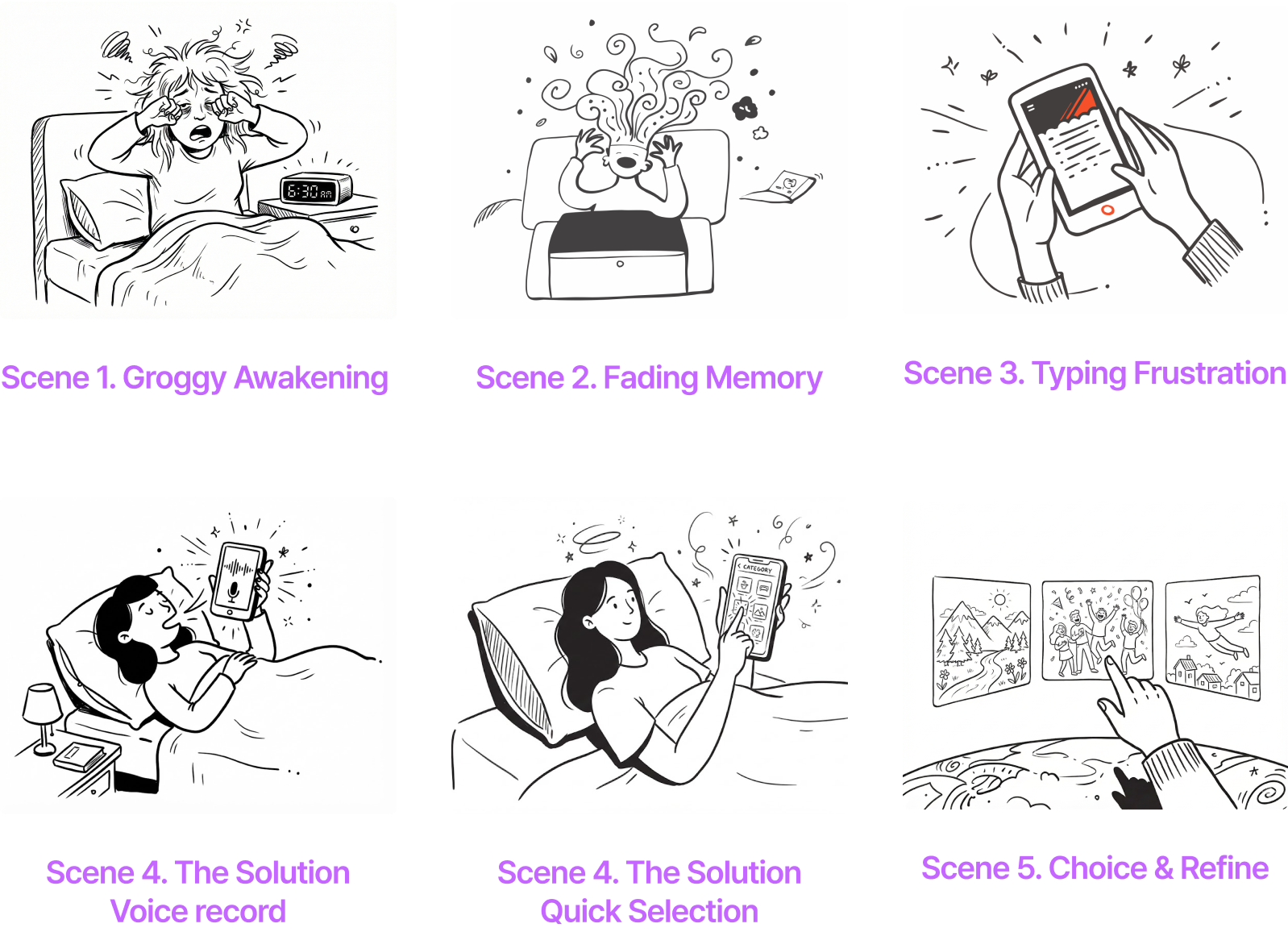
Designing for the 'Morning Groggy State'
Recording a dream is a race against time. The user is in a special context: groggy, lying in bed, and the memory of the dream is fading rapidly. The challenge was to design an input method that captures detailed narratives with zero cognitive friction before they disappear

Solution 1 : Record [ Story Board ]
Dream recording is not standard note-taking. It is a race against time in a groggy state. I used storyboards to visualize this unique context where memory evaporates in seconds. The scenes illustrate the user's struggle with typing and how a 'Voice-First' approach minimizes cognitive friction, enabling rapid information transfer before the dream fades
Hypothesis & A/B Testing
Experiment: Voice vs. Structured Selection
I conducted A/B testing to find the fastest recording method
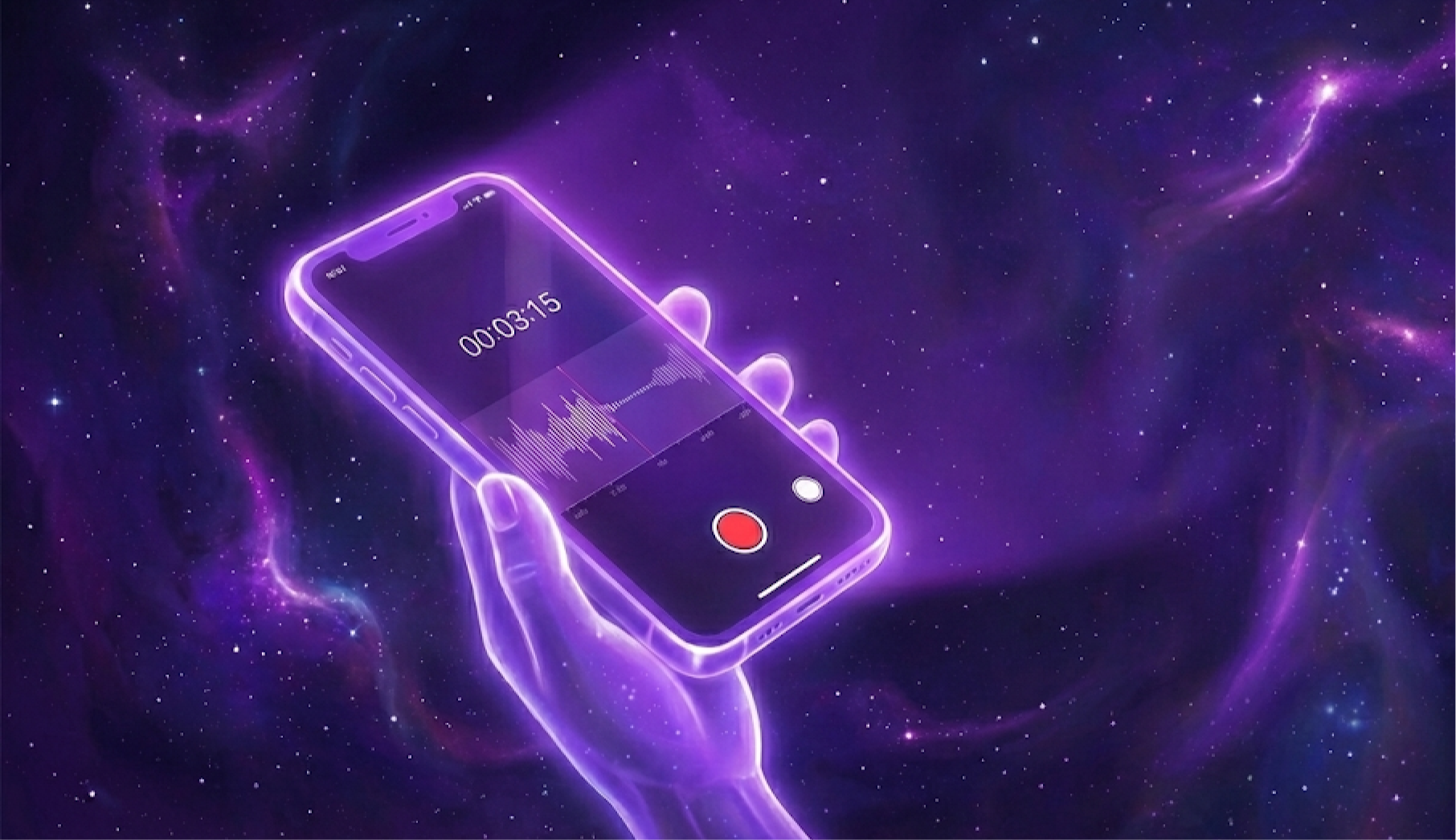
Method A (Voice Only)
Fast but unstructured; users often rambled or missed key context.
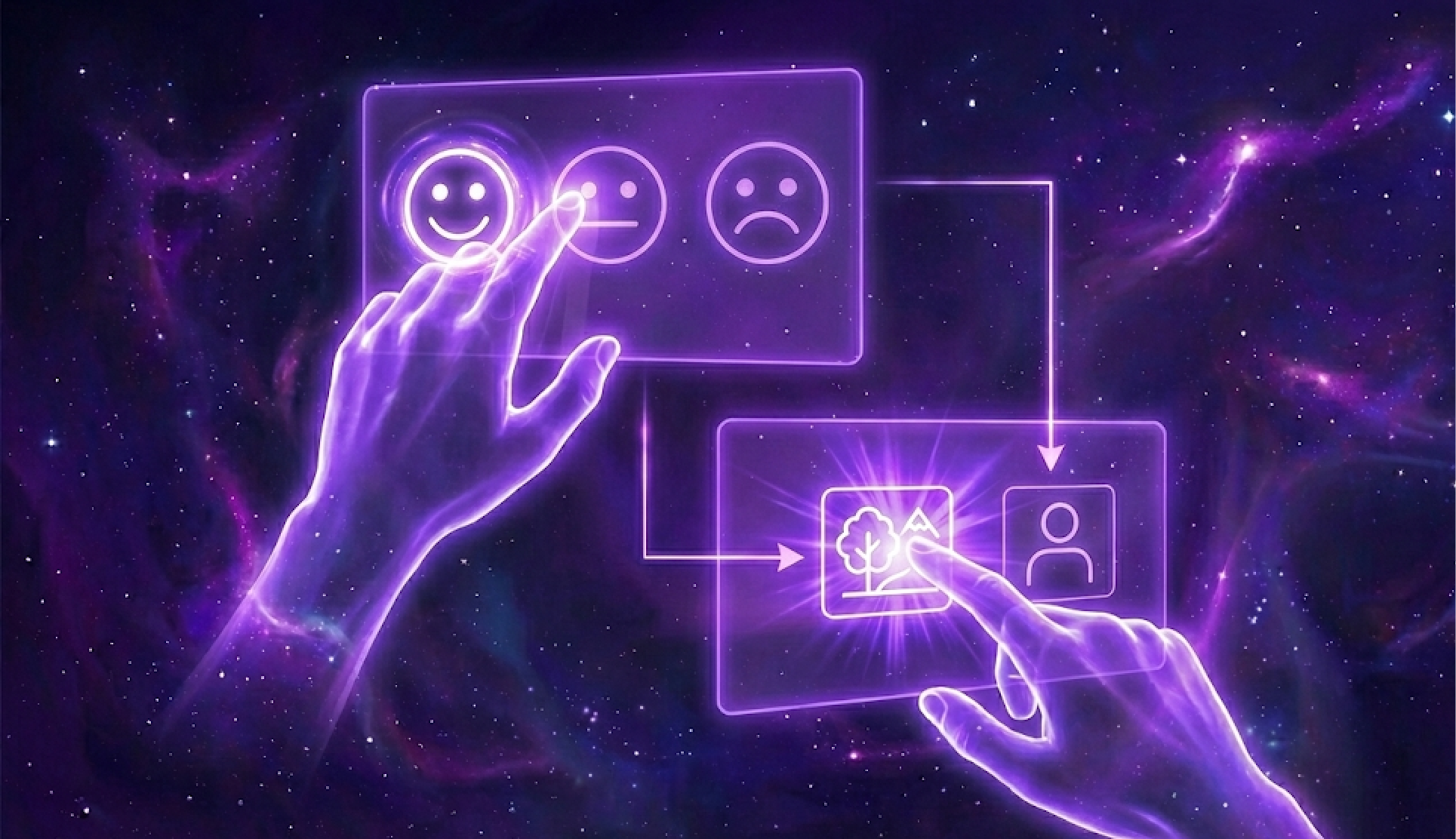
Method B (Step-wise Attribute Selection)
Structured Q&A (e.g., 'Was it scary?'). Good for context but too slow for capturing specific details.
The Hybrid Solution
I combined both. Users first quickly select the 'Big Picture' (Mood/Background) via simple taps,
then use 'Voice' to narrate specific details comfortably like a conversation."
Refining the Output
Solution 1 : Record
Improving Accuracy through Choice
Generating a single visual from abstract dreams often missed the user's intent. To solve this, I introduced a 'Multi-Option Selection'. The AI generates 2-3 variations of the 'Dream Film', and the user selects the one that feels closest to their memory. This simple step significantly increased user satisfaction and the accuracy of the emotional analysis
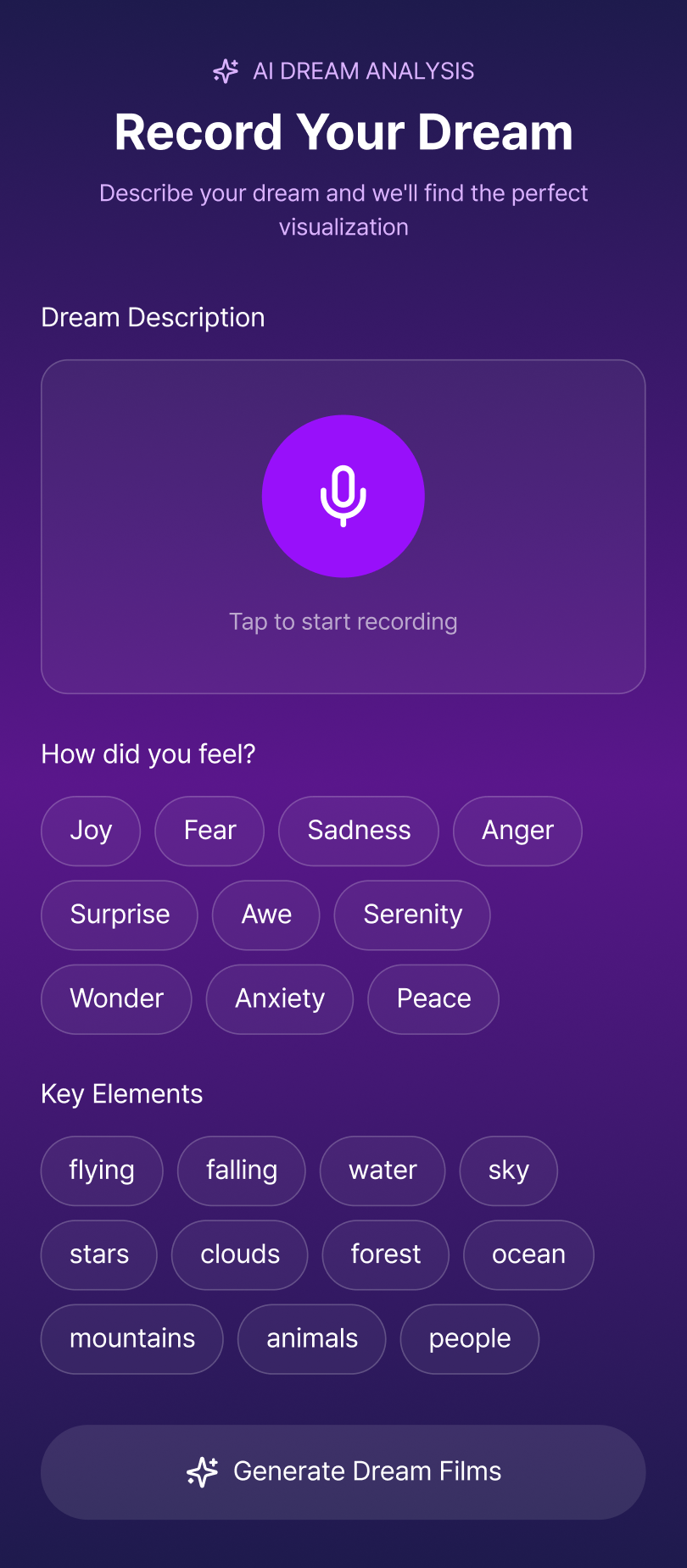
Record Deam
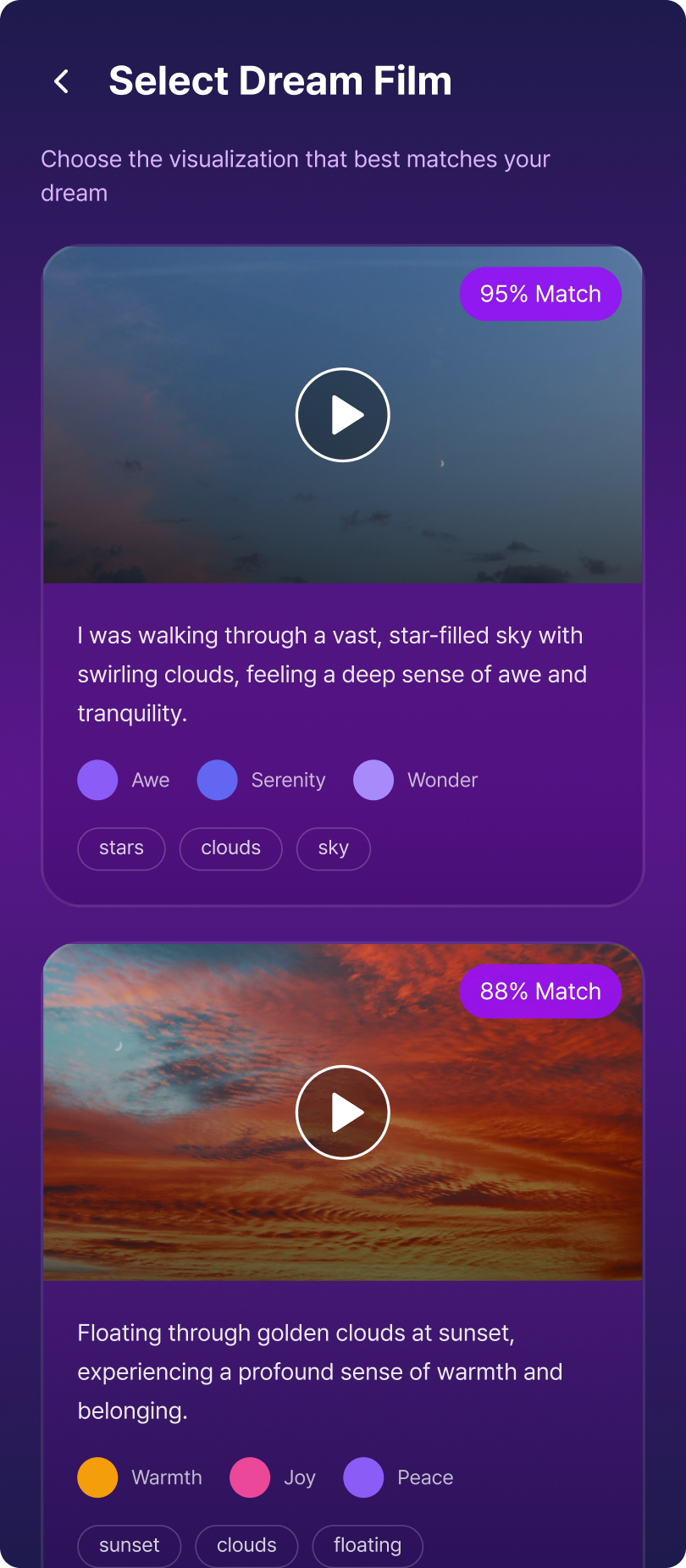
Select Dream
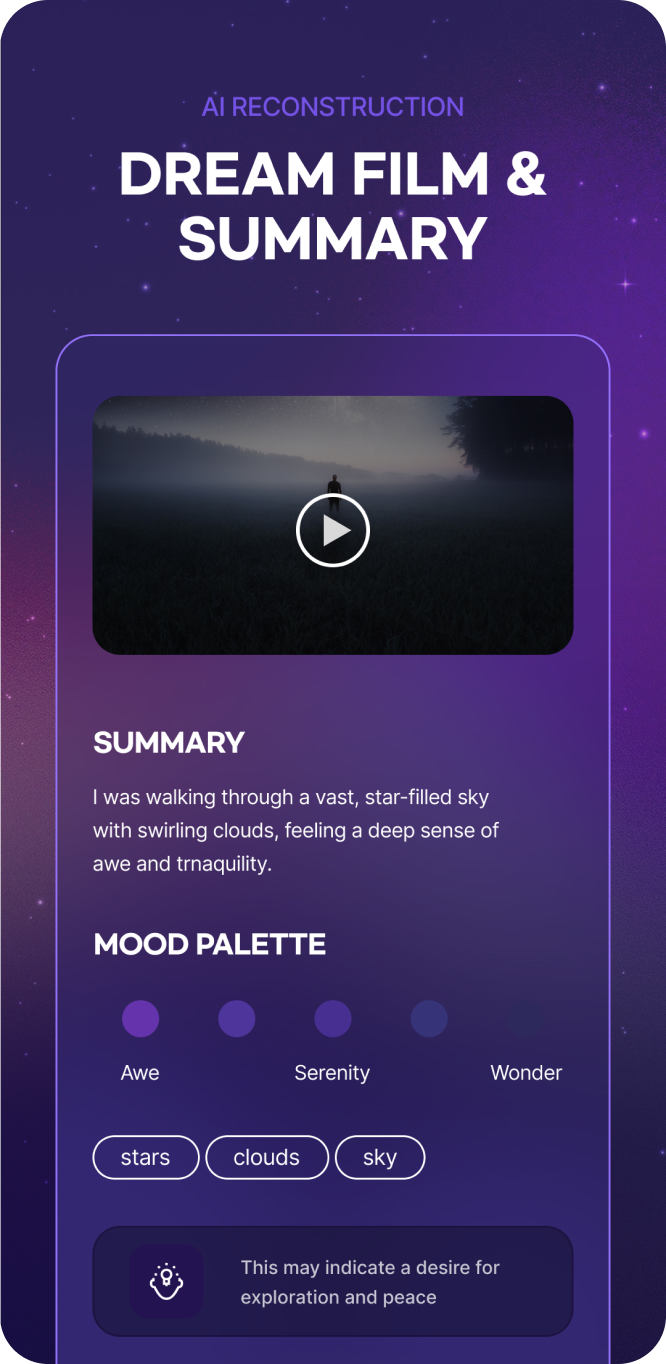
Dream Summary
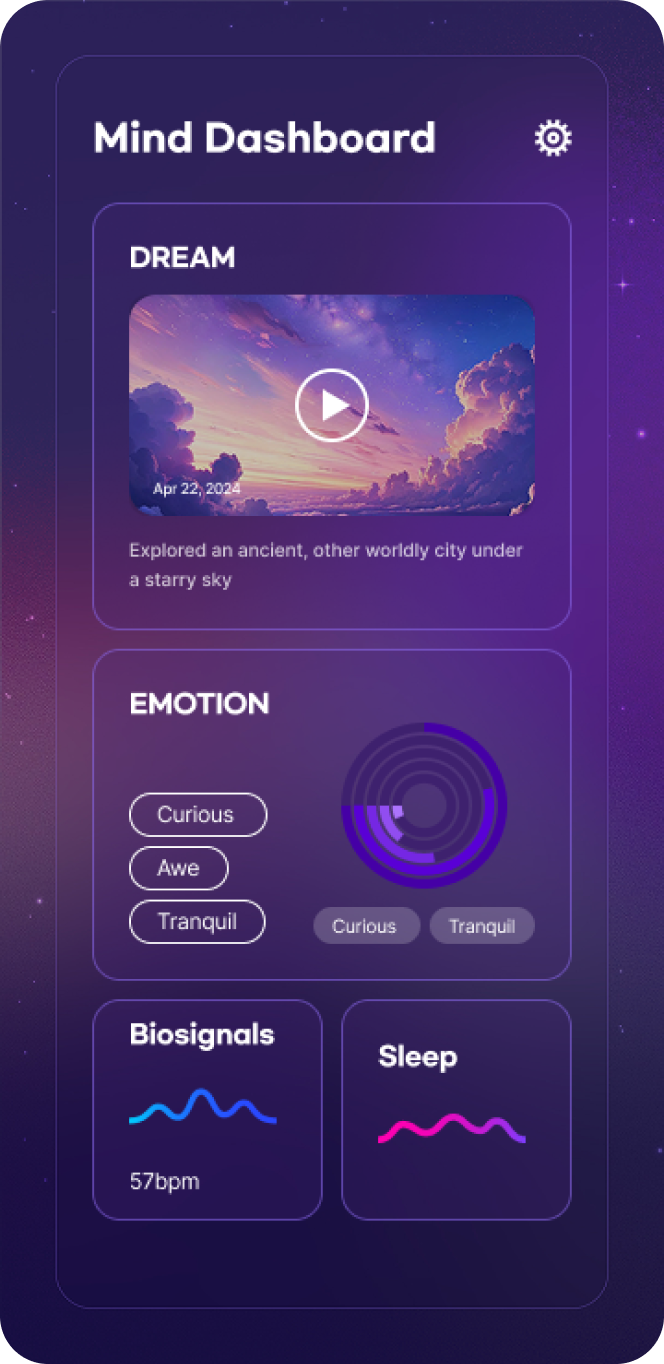
Mind Dashboard
Solution Phase 2 – Decode & Visualize
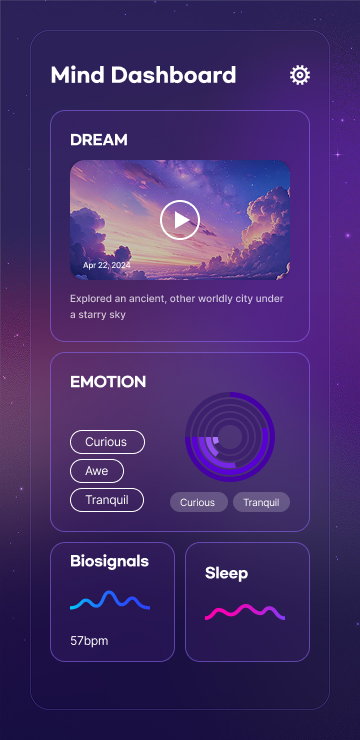
The Mind Dashboard
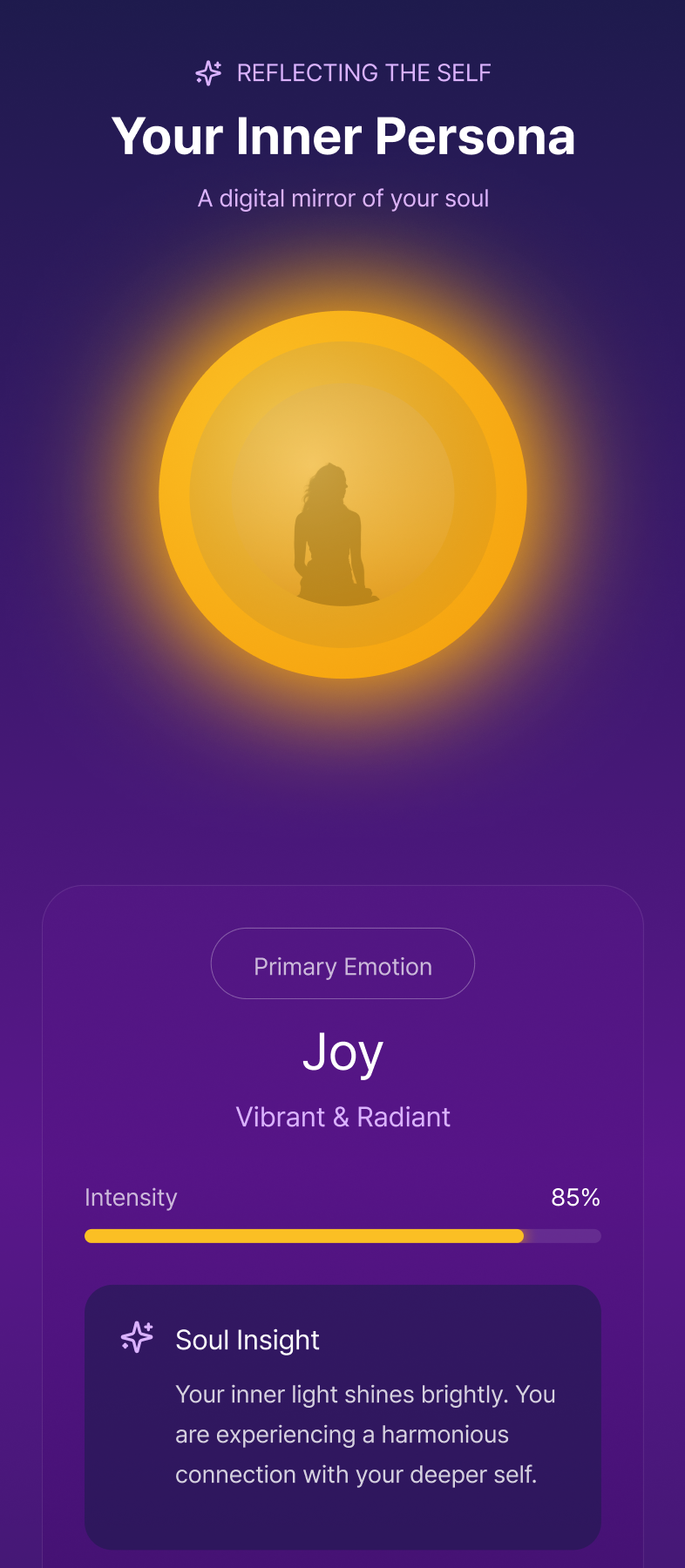
Inner Persona
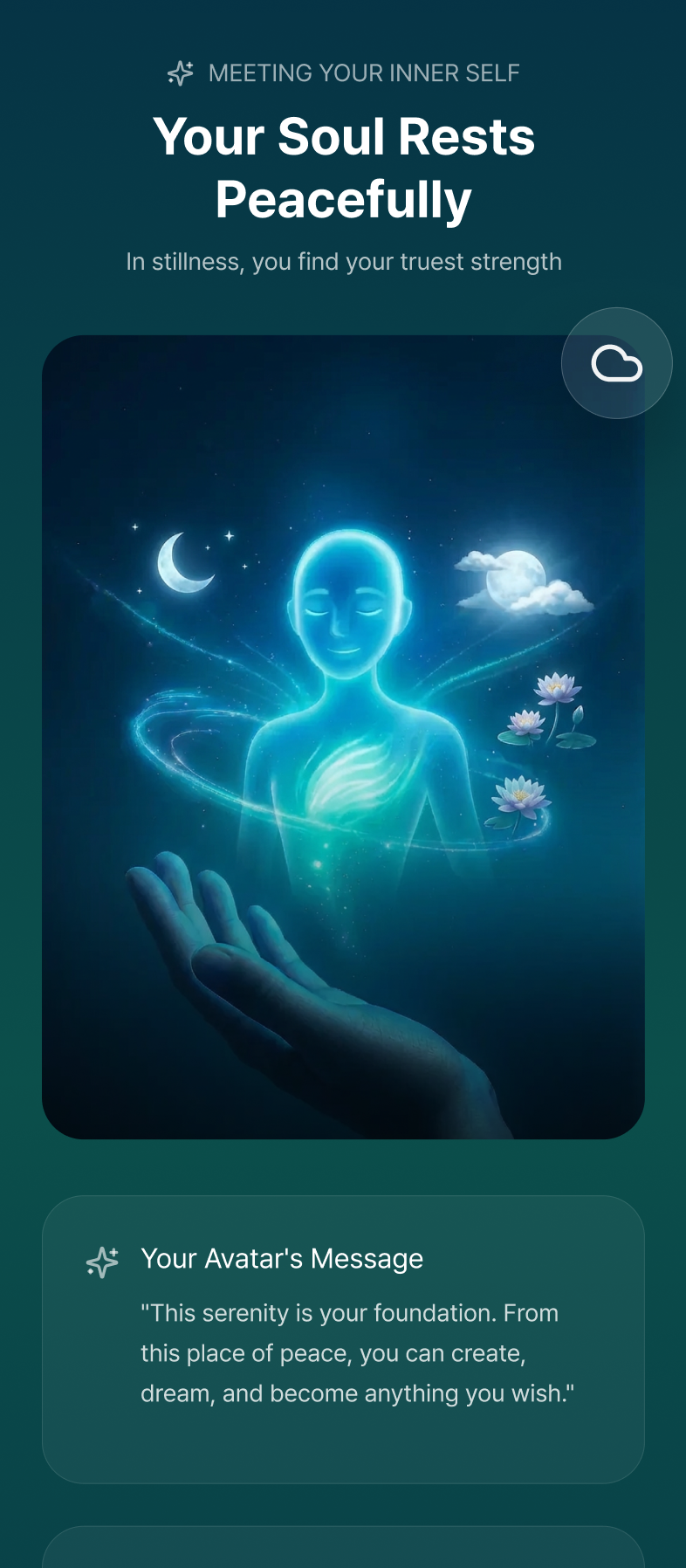
My Emotion Avatar
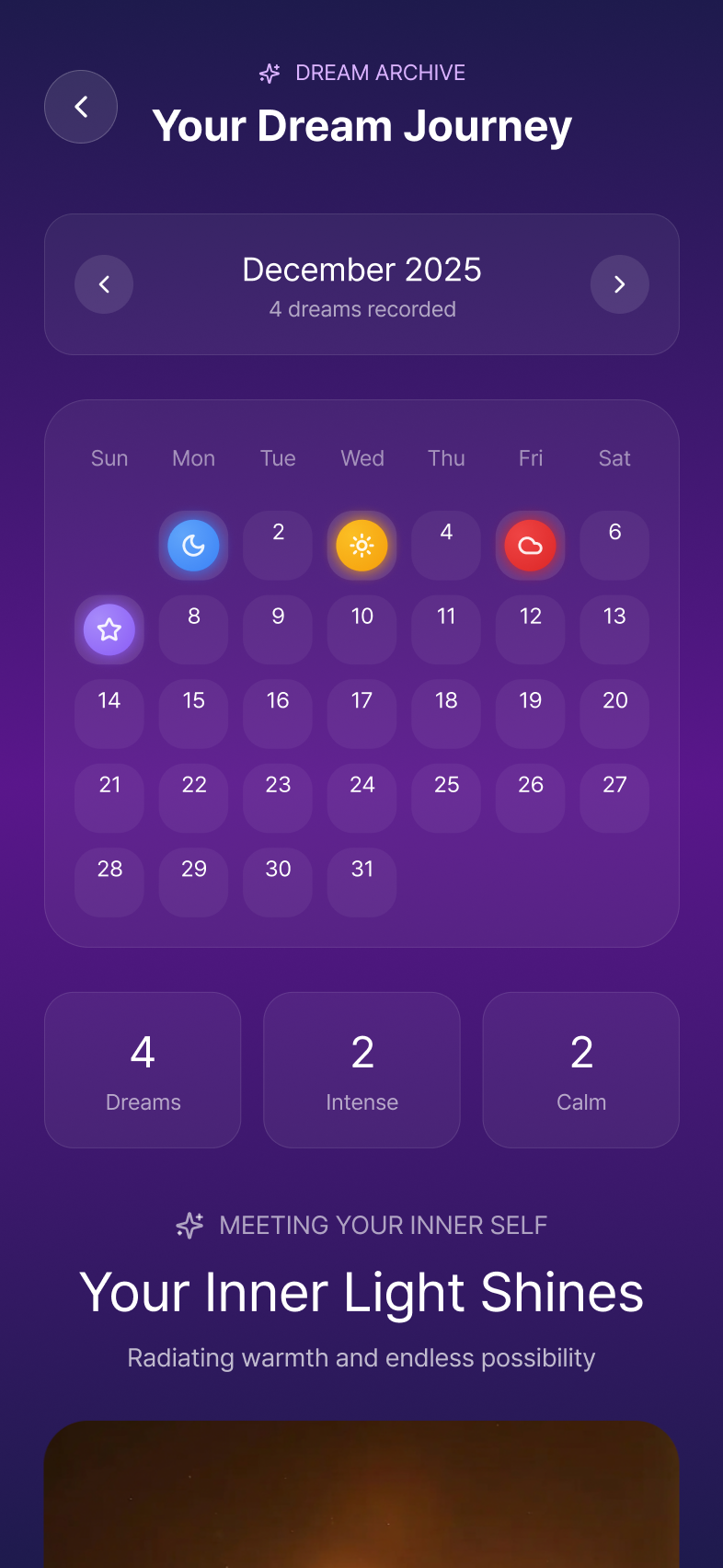
Emotion Record Calendar
Decode & Visualize
Phase 2 focuses on decoding the invisible language of the mind. By leveraging AI to reconstruct abstract dream narratives into tangible visual films and correlating them with objective bio-signals like HRV on a unified dashboard, AstraMind provides a holistic view of mental health. This complex data is then intuitively mirrored through a dynamic 'Inner Persona' and 'Emotional Orb,' allowing users to instantly perceive and face their subconscious state without needing to decipher raw metrics.
Solution Phase 3 – Connect & Heal
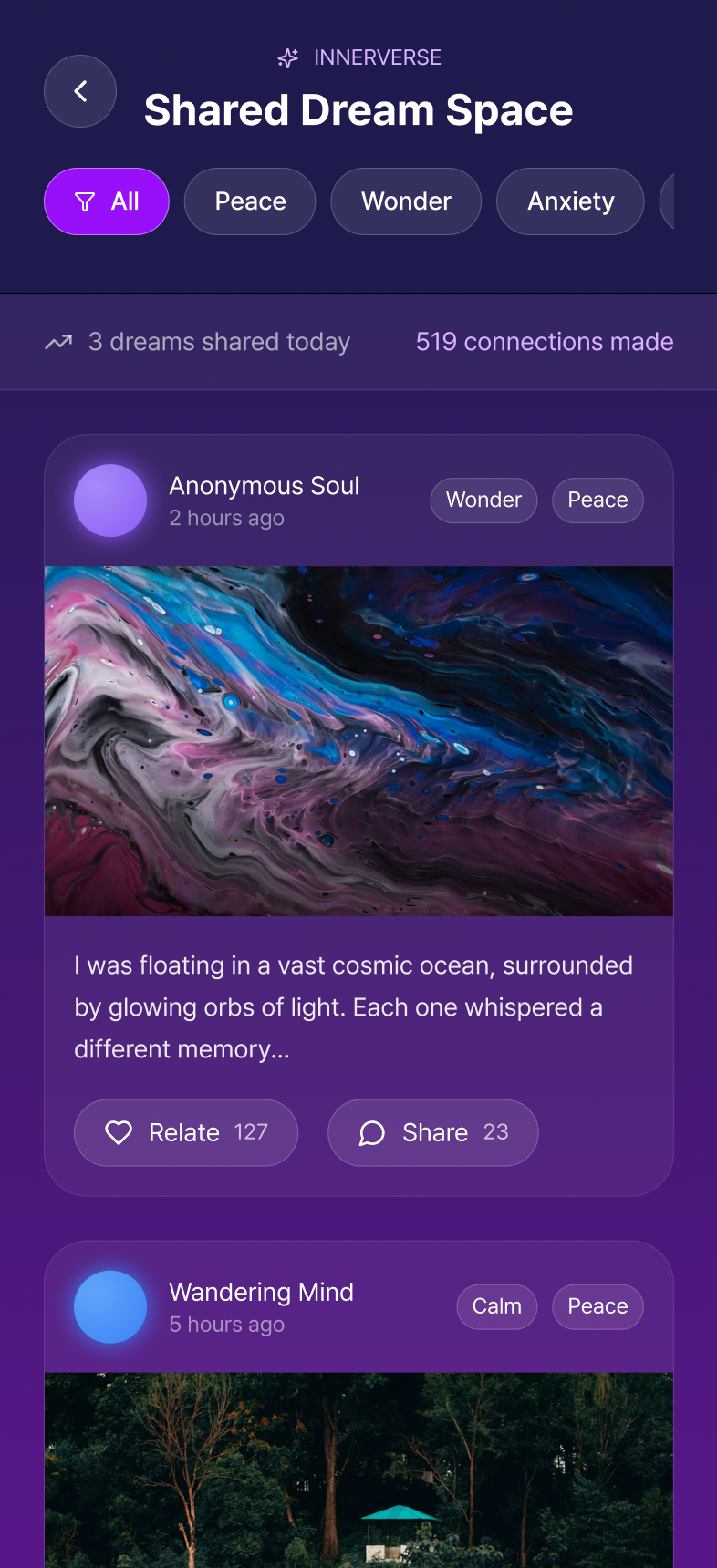
Emotional
Safety Net
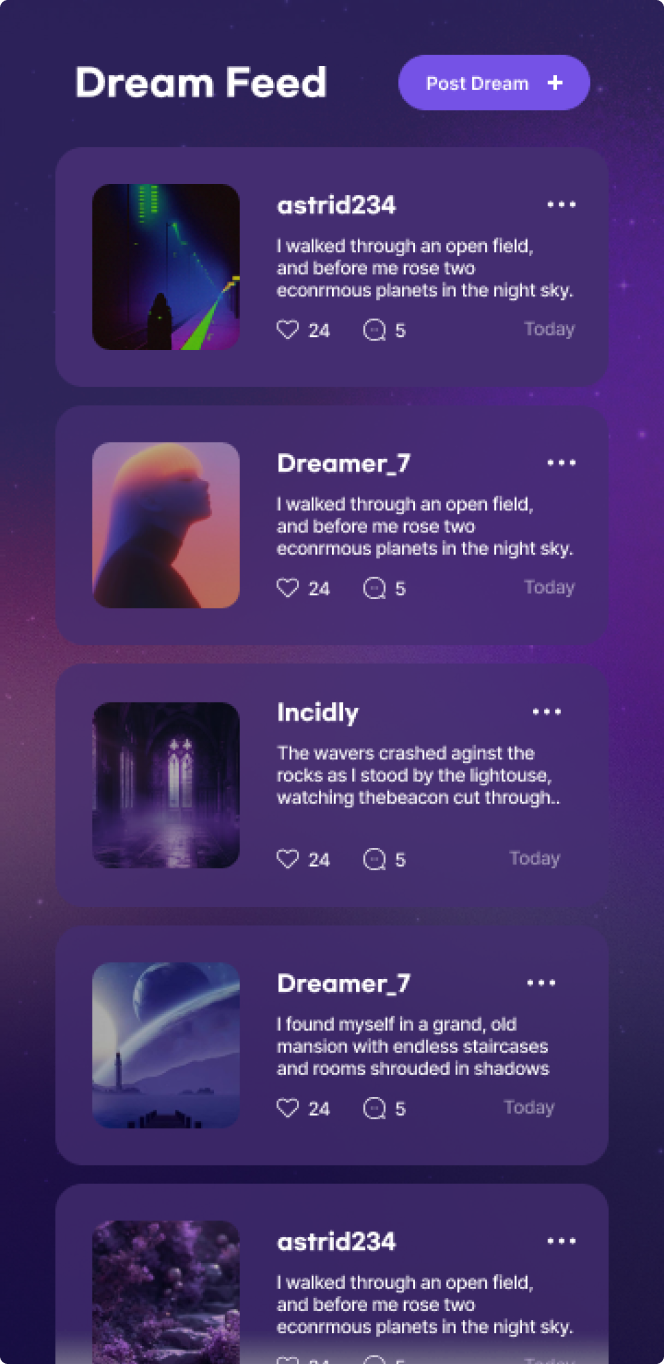
Dream Feed
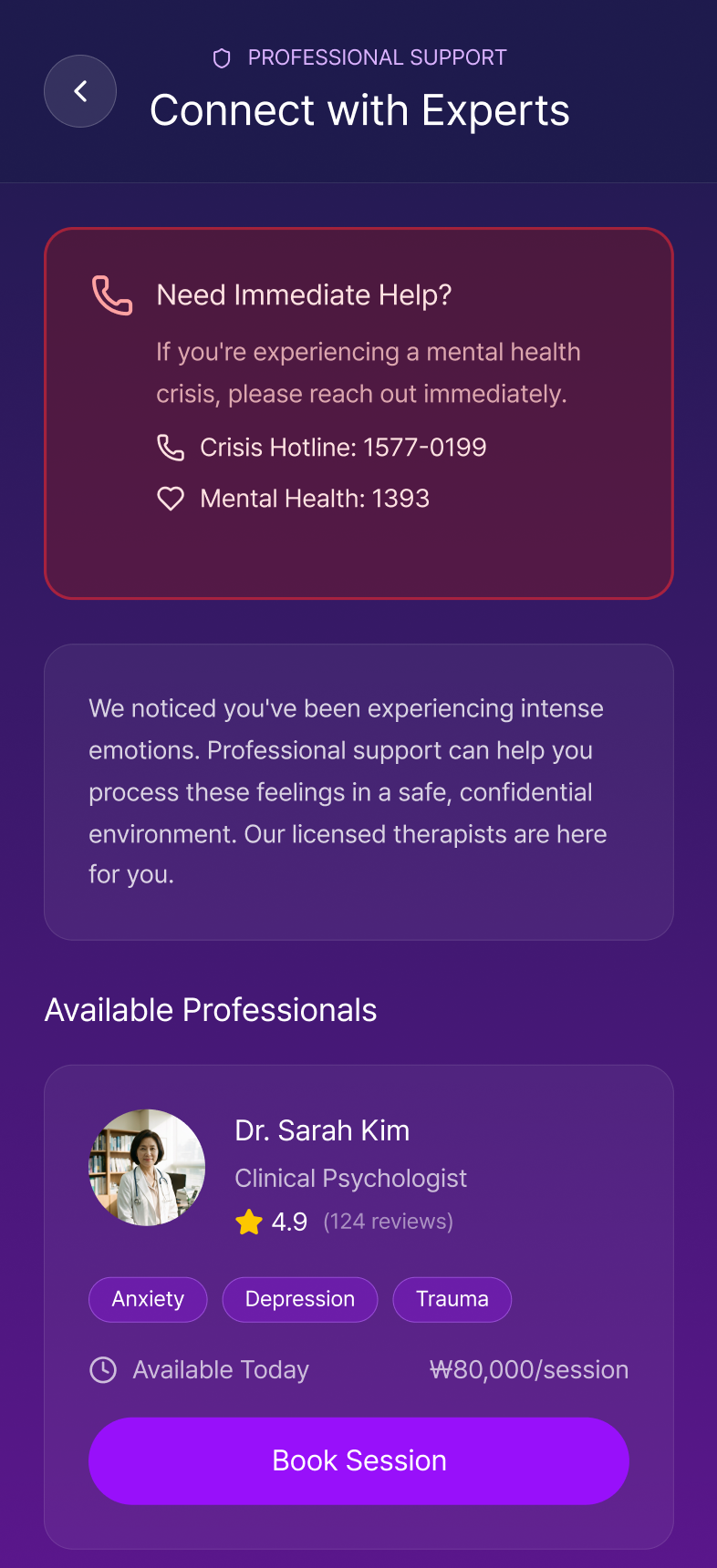
Connect with Experts
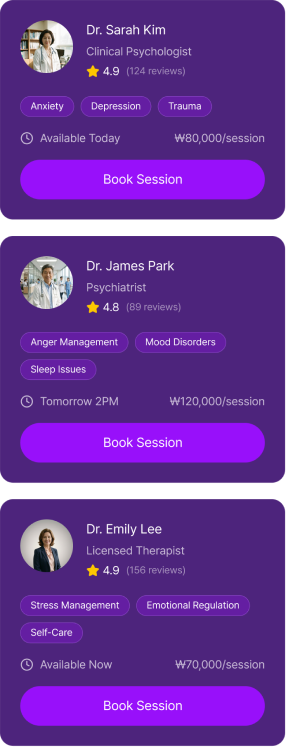
Psychological
counseling specialist
Healing through Shared Experience
For mild anxiety, users connect in the 'InnerVerse', an anonymous space to share Dream Films. By replacing 'Likes' with 'I Relate', it fosters normalization and emotional relief through shared experiences.
Data-Driven Intervention
When high-stress patterns are detected, the system escalates support. It first nudges users with immediate 'Self-Care Routines' (breathing, meditation). If symptoms persist, AI recommends specialists based on trauma patterns and facilitates seamless 'Teletherapy Booking'
Expected Impact
Social and personal Impact

Personal: Objectification of Emotions
By visualizing invisible emotions into an 'Inner Universe', users can objectively view their state, shifting from being overwhelmed by feelings to managing them.
Social: lowering the Barrier to Therapy
AstraMind acts as a 'Data Translator', turning vague symptoms into clear evidence. This reduces the stigma and hesitation associated with mental healthcare, encouraging timely professional intervention
Takeaways
Humanizing Data
I learned that technology shouldn't just measure users; it should reflect them. Instead of giving cold numbers like 'Stress Level 80', showing a 'Red Stormy Universe' helps users intuitively feel and face their inner self. True healthcare tech acts as a mirror for self-awareness.
Reading the Weak Signals - Prevention over Cure
Real healthcare starts not in the hospital, but in daily life by reading 'Weak Signals'. Pivoting from emergency response to early prevention taught me that the designer's role is to catch these subtle whispers of the body and mind before they turn into screams.
AstraMind
